Research
Case in development; no participants, observations, dataset or results.
THE SISU RALLY as a Real-World Field Case
A case-design record grounded in an official first-party development site; it defines questions and evidence gates without treating project self-description as operating proof.
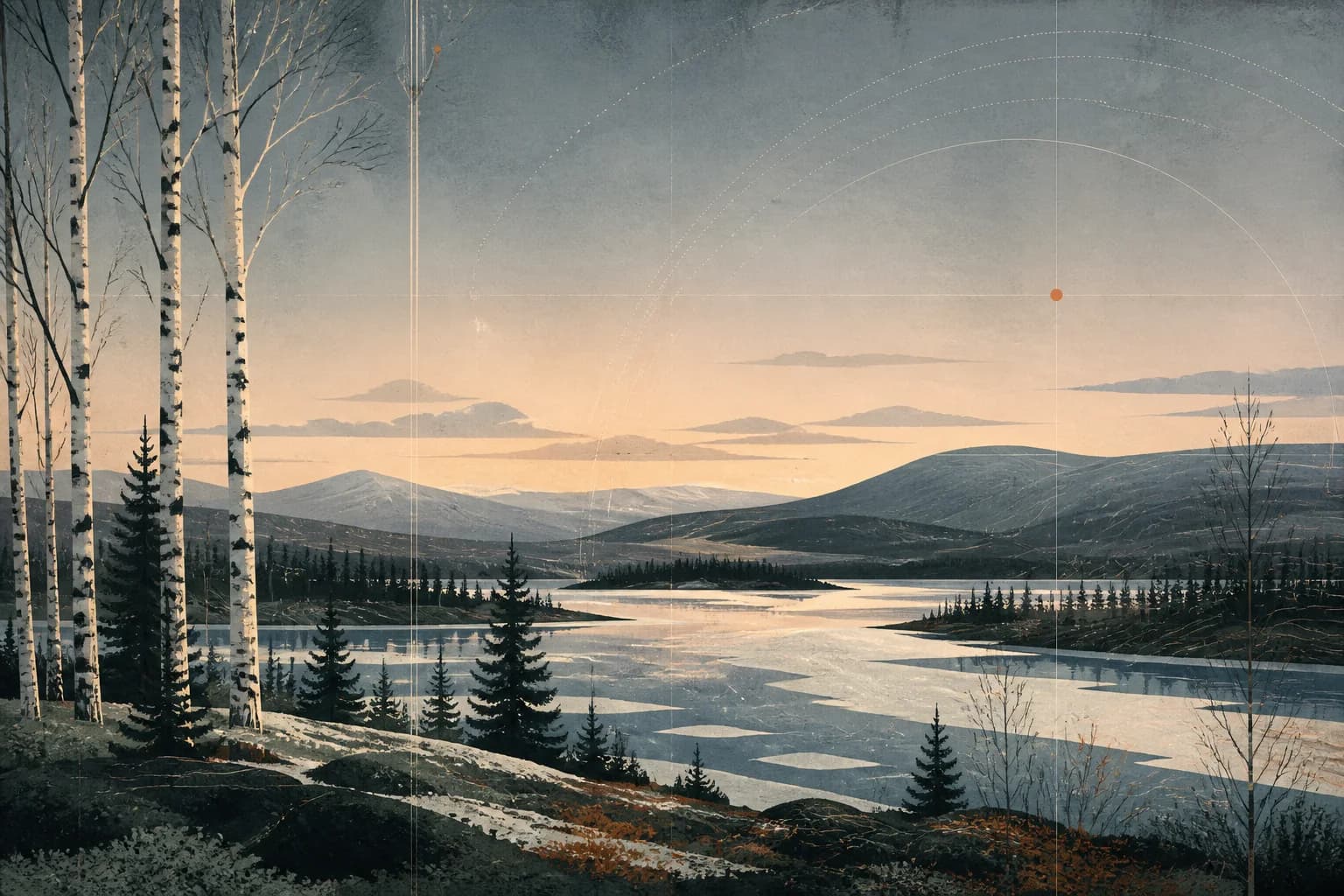
Status
This is a case in development. THE SISU RALLY now has an official first-party website whose development page labels the project in development and whose later roadmap stages are marked proposed or target. That public record corrects the earlier absence of an official project page, but it does not supply an independently verified operator, completed edition, participant cohort, observation set or result.
The research value of this page lies in preserving that distinction. Official self-description can establish what the project says it is. It cannot show that a program or study has taken place.
Case question
If THE SISU RALLY advances from concept to a real program, how could a family-rally design in Finnish Lapland study shared responsibility, place, challenge and sisu without romanticizing hardship or reducing local culture to a theme?
Why this could be a useful case
The proposed case brings several difficult relationships together. Seasonal conditions are not decoration; they alter light, clothing, movement, recovery and stop thresholds. A family unit creates unequal ages, authority and capacity. Sisu introduces a cultural construct that includes both constructive strength and harmful excess. A rally structure connects decisions over time rather than isolating one activity.
These features could make the case analytically rich. They also create many ways to overclaim. A striking landscape can hide weak program design. Persistence can be rewarded when stopping would be more responsible. A Finnish word can be detached from Finnish context. Family cooperation can be staged for media rather than observed carefully.
Heritage boundary
The official heritage page attributes a family-rally method developed in China to the founder and presents THE SISU RALLY as rebuilding that method for a new setting. It also states that the project is not publicly described as an official Little Knights Season 2. Titles, credits, footage, people, partners and performance figures remain subject to rights and evidence review on that page.
For research design, this means Little Knights cannot be treated as an earlier intervention cohort, a directly comparable season or proof of continuity. Any comparison must name the source as a founder-provided heritage account and examine legal identity, rights, program design, participants and delivery separately. No longitudinal or transfer claim follows from a shared method narrative.
Evidence gates before field work
No field protocol should begin until the project has verifiable documentation for operator responsibility, location and permissions, participant group, safeguarding, consent, supervision, equipment, insurance, weather criteria, communication, emergency response and withdrawal. Research participation must remain separate from program participation.
The official terms reinforce this gate. They say the site is not a confirmed booking, route authorization, offer, cast or partner announcement, financing commitment, or guarantee of dates, price, weather, access, distribution or participation. A roadmap, expression of interest or concept image cannot substitute for edition-specific operating evidence.
The case also needs a cultural review. The Sámi Parliament’s tourism guidance makes clear that northern landscapes are living cultural environments. Sámi identity, stories, clothing, symbols or practices should not be used without appropriate community-linked sources and permission. “Wilderness” language should not erase land use and history.
Proposed units of observation
If those gates are met, a pilot might examine:
- how teams receive and interpret changing-condition information;
- who notices fatigue, cold, uncertainty or equipment problems;
- how younger members communicate and whether their stop signal is credible;
- when adults retain, share or reclaim a task;
- how teams revise navigation, pace or objectives;
- whether reflection recognizes both constructive persistence and harmful excess;
- which features come from the place and which are imposed by program design.
The record should include removed activities, near-misses, withdrawals, disagreements and non-completion—not only moments that fit the intended story.
Sisu as a research construct
Lahti’s study describes sisu as access to latent energy in the face of adversity, while also identifying harms when sisu becomes excessive. It is preliminary construct research, not a validated curriculum. The case should not measure sisu by counting how long someone continues.
A more careful approach would record the language participants use, the decisions they make when new information arrives, and whether persistence remains responsive to other people and limits. Even then, researchers should avoid claiming cultural transformation from one program.
Seasonal and place data
The Finnish Meteorological Institute provides general seasonal context, but a real edition would require current, local and route-specific professional information. General climate cannot set a field threshold. The case record should preserve the exact source and time of weather, route and daylight decisions.
Place-based interpretation should also identify what participants actually encountered. “Lapland” is too broad to explain one route, community or season.
Methods under consideration
A low-burden pilot could combine an operational decision log, anonymized team reflection, structured observer notes and a later interview. It should preregister the main questions and report missing data. Researchers should not collect medical or family-conflict detail unless essential, consented and appropriately protected.
No public field note should identify a minor or expose sensitive family information. Media consent does not automatically permit research use of a story.
What this page cannot conclude
It cannot conclude that THE SISU RALLY exists as an operating program, that Finnish Lapland has approved a venue, that a Sámi organization is involved, that families benefit, or that participants develop sisu, courage or resilience. It cannot confirm a booking, route authorization, cast, partner, financing, dates, price, access, distribution or participation. It also cannot describe the project as an official Little Knights Season 2.
Decision to advance
The case moves from “in development” to “pilot” only when the operating evidence gates, ethics review, cultural review and source plan are documented beyond the project’s own website. Until then, the honest research output is this design record and its list of missing evidence.
Sources & evidence
- [01]DEVELOPMENT ROADMAPTHE SISU RALLY · accessed 2026-08-25First-party confirmation that THE SISU RALLY describes itself as in development and labels later stages as proposed or target pathways.Limit: Official first-party development page; not independent proof of an operator, route authorization, delivery, readiness, partners, dates or outcomes.OfficialTier Aofficial-site
- [02]FROM FAMILY RALLY TO A NEW INTERNATIONAL CHAPTERTHE SISU RALLY · accessed 2026-08-25First-party account of the project's claimed family-rally heritage and its explicit statement that it is not publicly described as an official Little Knights Season 2.Limit: Official first-party project page; not independent proof of heritage, rights clearance, operating continuity, partners, delivery or outcomes.OfficialTier Aofficial-site
- [03]WEBSITE TERMSTHE SISU RALLY · accessed 2026-08-25First-party legal boundary stating that the site is not a confirmed booking, route authorization, offer, cast or partner announcement, financing commitment, or guarantee of dates, price, weather, access, distribution or participation.Limit: Official first-party terms page; not independent proof of operations, legal compliance, safety, financing, availability, delivery or outcomes.OfficialTier Aofficial-site
- [04]Embodied fortitude: An introduction to the Finnish construct of sisuEmilia Lahti · International Journal of Wellbeing / Aalto University · 2019-01-01 · accessed 2026-08-25Preliminary introduction to constructive and harmful sisu.Limit: Preliminary construct research; cultivation is not established.ResearchTier Bacademic
- [05]Seasons in FinlandFinnish Meteorological Institute · accessed 2026-08-25Official seasonal, daylight and winter-condition context.Limit: General climatology, not a route forecast or safety plan.OfficialTier Bgovernment
- [06]Ethical Guidelines for Sámi TourismSámi Parliament of Finland · 2018-09-24 · accessed 2026-08-25Ethical boundary for representing Sámi culture and living landscapes.Limit: Specific cultural use, story, image or partnership needs community permission.OfficialTier Bgovernment